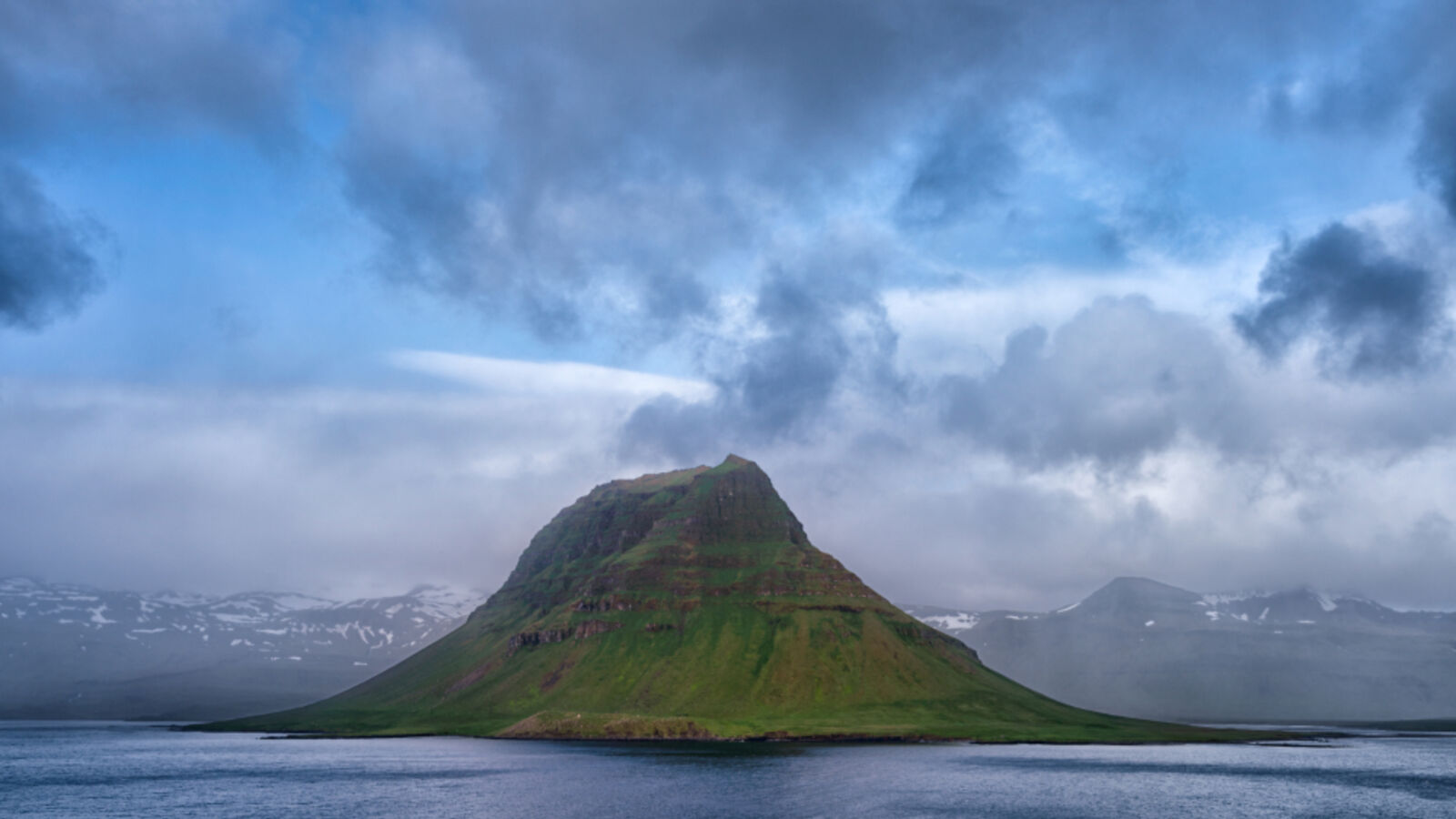
The safest countries to live in for 2026, according to the Global Peace Index, are Iceland, New Zealand, Switzerland, Slovenia and Ireland, followed by Austria, Portugal, Singapore, Finland and Japan. Seven of the top 10 are in Europe, and the list has changed little from last year.
The Global Peace Index (GPI) is published each year by the Institute for Economics & Peace, an independent think tank. The 2026 edition, released in June, ranks 163 countries and territories using 23 indicators. It is the most widely cited measure of how safe and stable a country is, but it measures national peacefulness, which is not quite the same thing as personal safety on a city street.
This guide lists the 10 safest countries in the 2026 ranking, adds context for each, places some popular relocation destinations on the same scale, and explains which safety factors the rankings do not capture.
Key takeaways
- Iceland ranks as the most peaceful country again in 2026, with a score of 1.161, well ahead of New Zealand at 1.343.
- The rest of the top 10 is Switzerland, Slovenia, Ireland, Austria, Portugal, Singapore, Finland and Japan.
- Global peacefulness fell for the 12th year in a row, according to the GPI 2026 briefing.
- The index weighs conflict and militarization as well as crime, so some countries with low street crime rank lower than expected.
- Natural hazards, healthcare, petty crime and legal stability also shape how safe a place feels to live in.
How the Global Peace Index measures safety
The GPI scores countries across three domains:
- Ongoing conflict: internal and external conflicts fought, deaths from conflict, and relations with neighboring countries.
- Safety and security: perceived criminality, homicide rate, incarceration, violent crime, violent demonstrations, political instability, terrorism impact and access to weapons, among others.
- Militarization: military spending, armed forces personnel, weapons imports and exports, and nuclear and heavy weapons capabilities.
Scores run from 1, the most peaceful, to 5, the least. A lower score is better. Because conflict and militarization count alongside crime, a country with very safe streets but a large military or involvement in foreign conflicts can sit well below its crime figures would suggest.
The 2026 briefing paints a difficult global picture. It says global peacefulness deteriorated for the 12th consecutive year and that 119 countries are less peaceful now than in 2008. Against that background, the countries at the top of the index stand out even more.
The 10 safest countries to live in for 2026
The table uses the ranking published by the Institute for Economics & Peace on its Vision of Humanity site.
| Rank | Country | GPI 2026 score | Region |
|---|---|---|---|
| 1 | Iceland | 1.161 | Europe |
| 2 | New Zealand | 1.343 | Asia-Pacific |
| 3 | Switzerland | 1.363 | Europe |
| 4 | Slovenia | 1.369 | Europe |
| 5 | Ireland | 1.371 | Europe |
| 6 | Austria | 1.421 | Europe |
| 7 | Portugal | 1.427 | Europe |
| 8 | Singapore | 1.435 | Asia-Pacific |
| 9 | Finland | 1.478 | Europe |
| 10 | Japan | 1.489 | Asia-Pacific |
1. Iceland
Iceland has topped the index every year since 2008, and its lead widened in 2026. It has no standing army, very low crime and almost no exposure to conflict. Its safety and security score improved this year, helped by a sharp fall in violent demonstrations. The main safety caveat is natural: volcanic activity on the Reykjanes Peninsula since 2021 has forced evacuations of the town of Grindavík. Iceland is in the European Economic Area and Schengen, but not the EU.
2. New Zealand
New Zealand is the most peaceful country in the Asia-Pacific region and has the region's lowest score for ongoing conflict. Its militarization score improved in 2026 as weapons imports fell. Earthquakes are the main natural risk, as the 2011 Christchurch earthquake showed. Residence options for non-citizens are mainly skilled work, family and investor visas.
3. Switzerland
Switzerland's score rose slightly, from 1.347 to 1.363, which means it became marginally less peaceful by the index's measure. Its safety and security results remain among the strongest in Europe. It combines political stability, very low violent crime and a decentralized system of cantons. For non-EU nationals, residence is usually tied to work, wealth or a lump-sum tax arrangement, which our guide to lump-sum tax regimes describes.
4. Slovenia
Slovenia ranks fourth after its score improved by 0.032 points, driven by the safety and security domain. A small EU and Schengen member between the Alps and the Adriatic, it combines low crime with a lower cost of living than its western neighbors.
5. Ireland
Ireland has very low levels of internal and external conflict and scores strongly in the ongoing conflict domain, though it recorded a marginal deterioration this year. It is the only English-speaking country in the EU besides Malta. Ireland closed its Immigrant Investor Programme to new applicants in 2023, so most non-EU residents arrive for work, study or family reasons.
6. Austria
According to the Institute for Economics & Peace, a worsening terrorism impact indicator pulled down Austria's safety and security score this year. It remains one of the most stable countries in Europe, with Vienna regularly praised for its quality of life.
7. Portugal
Portugal ranks seventh with consistent results across all three domains. Its mild climate, relatively low crime and established visa routes have made it one of the most popular relocation choices in Europe. Our guide to the Portugal D8 digital nomad visa covers one common route for remote workers.
8. Singapore
Singapore is the highest-ranked country in Asia, two places above Japan. It scores strongly for safety and security and for militarization, even though its per capita military spending is high. Its strict laws and enforcement are part of that picture, and anyone moving there needs to be comfortable with them.
9. Finland
Finland performs strongly in both the ongoing conflict and safety and security domains. It is one of several Nordic countries the institute singles out for their safety and security results, alongside Norway, Iceland and Denmark, as well as Japan.
10. Japan
Japan returned to the top 10, climbing three places as its ongoing conflict score improved. Its militarization score worsened amid a defense expansion, including what the institute describes as a record US$55 billion defense budget in 2025. Earthquakes and typhoons are the main natural hazards. Remote workers can look at our guide to the Japan digital nomad visa.
Where popular relocation destinations rank
Many people who move abroad compare the top 10 with destinations that offer easier residence, lower costs or a warmer climate. The table below shows where several of them sit in the 2026 GPI ranking, as published in the index's full country table.
| Country | GPI 2026 rank | Note |
|---|---|---|
| Denmark | 11 | Just outside the top 10, strong on safety and security |
| Malaysia | 12 | Ranks above several Western European countries, including the Netherlands and Germany |
| Czechia | 13 | Central European, lower costs than Western Europe |
| Canada | 14 | Large, stable democracy |
| Uruguay | 43 | Often described as one of the most stable countries in South America |
| Costa Rica | 62 | No standing army, but higher crime than the top tier |
| Paraguay | 64 | Popular for its accessible residence permits |
| United Arab Emirates | 73 | Widely regarded as safe day to day; the index also weighs conflict and military measures |
The United Arab Emirates shows why the overall score is only a starting point. Day-to-day safety in Dubai and Abu Dhabi is widely regarded as very high. The lower national score likely reflects the index's broader measures, which include involvement in regional conflicts and military spending. Paraguay offers a similar lesson in reverse: its national rank is mid-table, but residence is relatively straightforward, as our Paraguay permanent residency guide explains.
Safety factors the rankings miss
A national peace score is a useful filter, but it does not answer every question someone relocating will ask. Other factors often matter as much:
- City and neighborhood. Crime varies far more within countries than between many of them. A safe country can have unsafe districts, and the reverse is also true.
- Natural hazards. Several top-ranked countries, including Japan, New Zealand and Iceland, face significant earthquake or volcanic risk. Building standards and emergency systems reduce, but do not remove, that risk.
- Healthcare. Access to good emergency and specialist care is part of safety. Our overview of private health insurance costs by country helps compare that side.
- Petty crime. Pickpocketing and scams in tourist areas rarely move national indices but affect daily life.
- Rule of law and property rights. Independent courts, predictable rules and secure property titles matter for anyone who plans to invest or run a business.
- Personal circumstances. Safety can look different depending on gender, sexuality, religion, ethnicity or political views. Specialized indices and local communities are often better guides here than a single national score.
Using safety rankings in a relocation plan
Safety is usually one input among several. People comparing countries often weigh it alongside the legal route to residence, cost of living, healthcare, language, climate, time zone and tax. The way residence and tax residence interact is a separate question, since a residence permit does not always settle where a person is tax resident.
A practical approach many movers use is to shortlist countries by safety and residence options, then compare specific cities and spend time there before committing. Our guide to why entrepreneurs build a Plan B residency looks at how a second base can add resilience, whichever country tops the rankings.
Frequently asked questions
What is the safest country in the world in 2026?
Iceland is the safest and most peaceful country in the world according to the Global Peace Index 2026, with a score of 1.161. It has held first place every year since 2008.
Which is the safest country in Asia?
In the 2026 Global Peace Index, New Zealand ranks highest in the Asia-Pacific region at second overall. Within Asia itself, Singapore ranks eighth and Japan tenth, with Malaysia 12th.
Does a high peace ranking mean low crime?
Not always. The Global Peace Index combines crime and safety indicators with measures of conflict and militarization. A country can have low street crime but a weaker score because of military spending or involvement in external conflicts.
How often is the Global Peace Index updated?
The Institute for Economics & Peace publishes a new edition every year, usually in June. The 2026 edition was published in June 2026, and its full report and briefing are available on the institute's site, including the 2026 GPI briefing.
Important: This article is general information, not tax, legal or financial advice. Rules change often and depend on your personal circumstances. Speak with a qualified professional in each relevant country before you act.